
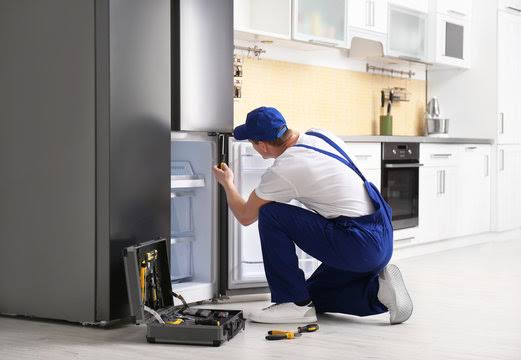
A refrigerator is undoubtedly one of the most essential appliances in any home. It runs 24/7 to keep our food fresh, healthy, and safe from bacteria. So, when your fridge suddenly stops cooling or starts making strange noises, it can feel like an absolute disaster—leading to spoiled groceries and wasted money.
Before you start looking for a replacement, it’s important to know that many refrigerator issues can be diagnosed and repaired easily by a professional.
Here is a comprehensive guide to why your fridge might not be cooling and what you can do about it.
1. Dirty Condenser Coils
The condenser coils are usually located at the back or bottom of your refrigerator. Their job is to dissipate the heat removed from the inside of the fridge into the surrounding room.
- The Problem: Over time, these coils collect a thick layer of dust, pet hair, and kitchen grease.
- The Result: When coils are dirty, they cannot release heat efficiently. Your fridge has to work twice as hard to stay cold, leading to poor cooling and a massive spike in your electricity bill.
- The Fix: Pull the fridge away from the wall, unplug it, and use a vacuum cleaner or a soft brush to clean the dust off the coils. This should be done every 6 months.
2. Faulty Door Seals (Gaskets)
The rubber strip around your refrigerator door is called a gasket. It acts as a barrier, keeping the cold air inside and the warm room air outside.
- The Problem: Gaskets can become brittle, cracked, or dirty over time, losing their tight seal.
- The Result: Warm, humid air constantly leaks into the fridge. This causes the interior temperature to rise and forces the compressor to run nonstop, creating excess frost.
- The Fix: Clean the gasket with warm soapy water. If you notice visible cracks or tears, the seal needs to be completely replaced.
3. Frosted Evaporator Coils (Defrost System Failure)
Inside your freezer, there are evaporator coils that get extremely cold to freeze and cool your food. A built-in defrost heater automatically melts away any frost that builds up on these coils throughout the day.
- The Problem: If the defrost timer, heater, or thermostat fails, frost will continuously build up on the coils.
- The Result: The thick ice blocks the airflow completely. You might notice that your freezer is still freezing food, but the fresh food compartment (the lower section) is completely warm.
- The Fix: This requires technical expertise. A technician needs to test the electrical components of the defrost system with a multimeter and replace the faulty part.
4. Temperature Control Thermostat Issues
The thermostat directs voltage to the compressor and fan motors. It regulates the internal temperature based on your settings.
- The Problem: If the thermostat is broken, it won’t accurately read the temperature or signal the compressor to turn on.
- The Result: The refrigerator stops cooling entirely, or it might over-cool and start freezing your milk and vegetables.
- The Fix: First, ensure it wasn’t accidentally bumped or changed to a warmer setting. If the settings are correct but the fridge isn’t responding, the thermostat likely needs a professional replacement.
When to Call a Certified Appliance Technician?
While keeping the coils clean and checking the door seals are great DIY practices, modern refrigerators are complex machines. Trying to fix internal fans, compressor relays, or handling refrigerant gas leaks without proper tools can permanently ruin the appliance.
If your fridge is completely silent, blowing warm air, or leaking water onto your kitchen floor, it’s best to call a professional immediately before your food spoils.
🛠️ Professional Refrigerator & Appliance Repair – Right At Your Doorstep!
Is your fridge losing its chill? Don’t let your expensive groceries go to waste! Our team of highly skilled, reliable technicians specializes in repairing all major brands of refrigerators, deep freezers, ACs, and washing machines.
We guarantee quick diagnostics, genuine spare parts, and honest, upfront pricing with no hidden fees.